
What makes you trust a brand enough to try something new? It’s probably not another pop-up ad.
81% of people buy due to a social media post by an influencer, friend, or family member, according to Matter Communications.
Influencer marketing is changing how people discover and shop for products. Shoppers now follow trusted creators and stylists who share what they truly love. These real connections build trust, loyalty, and communities based on shared taste.
In this guide, you’ll learn everything about influencer marketing in retail, including:
- Why it works
- How to build strong campaigns
- The partnerships that bring real results
- How Topomer helps brands connect with shoppers through authentic recommendations
Main takeaways
- Influencer marketing connects shoppers with real people who share honest, personal recommendations.
- Retail brands use it to reach more customers and build a community around their products. It can drive sales through visual posts, in-store events, hashtags, and brand collaborations.
- For the best results, focus on authentic partnerships, clear goals, and regular performance tracking.
- Social shopping and personalized styling services make influencer marketing even stronger by helping shoppers connect with products that fit their style and needs.
Why influencer marketing matters for retail
Influencer marketing in retail is a partnership between brands and content creators. Brands ask creators to try their products and share honest reviews with their followers. This helps increase sales and reach more people.
It works because it feels like advice from a friend, not a sales pitch. It builds:
- Trust: People believe creators they already follow.
- Discovery: New shoppers find your products through trusted voices.
- Motivation: Seeing real people use your products encourages others to buy.
Did you know? Global influencer marketing has more than tripled since 2020, according to Statista. The market is expected to reach $32.55 billion by the end of 2025.
Key benefits of influencer marketing for retail brands
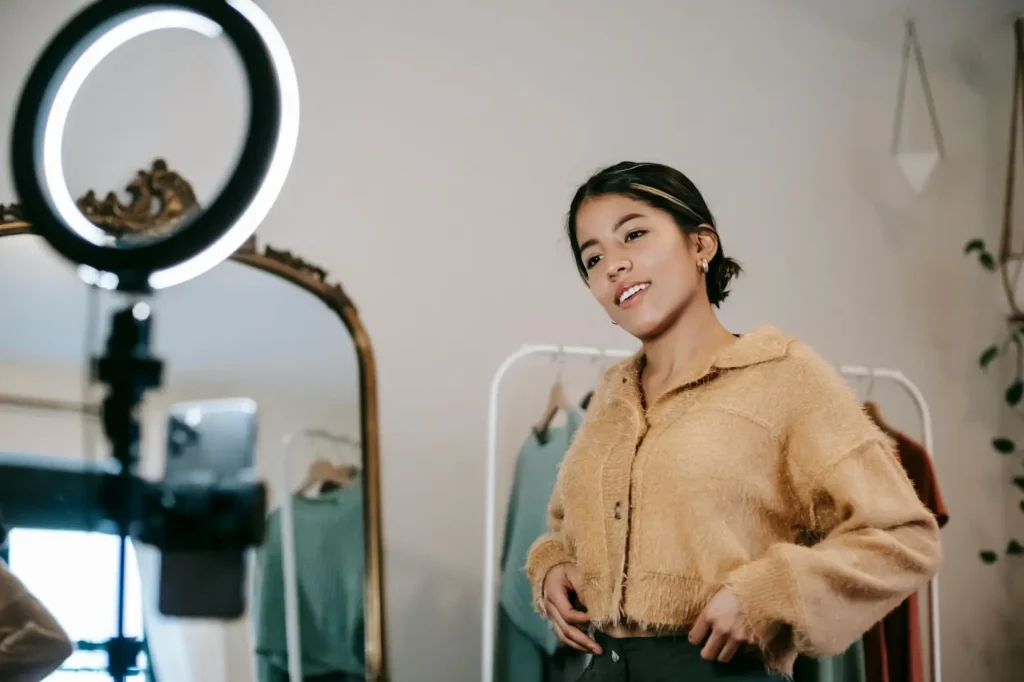
Working with the right creator helps you reach people who are already interested. This connection is stronger than what ads can do.
In a 2023 Linqia survey, 86% of brands said influencer content met or outperformed their ads.
Influencer marketing makes your brand feel real and easy to relate to. When people see others using your products, they can picture themselves doing the same. It offers:
- Real stories: Honest reviews that build trust.
- Visual ideas: Shows how products look in everyday life.
- Community: Followers talk about and share your brand.
- Better value: Often costs less and works better than traditional ads.
Discover stylists who promote your brand
Partner with Topomer’s network of professional stylists to be featured in their recommendations. Performance-based exposure; no subscription required.
Types of influencer partnerships

Not all influencer partnerships work the same way. Retailers can use different types of collaborations to:
- Reach the right shoppers
- Build brand trust
- Encourage purchases
Celebrity influencers
Celebrities have millions of followers and a huge reach, but they’re expensive to work with.
Works best for:
Best for:
- Large awareness campaigns
- Established retail brands with big marketing budgets
Macro-influencers
These creators usually have 100,000+ followers. They balance wide reach with strong engagement. Many work in fashion, beauty, or lifestyle. Promotional codes and affiliate links often boost results.
Best for: Brands that want to grow their audience while keeping a personal touch.
Micro-influencers
Micro-influencers have 10,000–100,000 followers and often focus on specific topics, like sustainable fashion. Their smaller audiences trust them deeply.
Best for: Brands in niche markets or with smaller budgets.
Nano-influencers and stylists
Nano-influencers have under 10,000 followers, but their fans are very engaged. Personal shoppers and stylists often share product reviews, outfit ideas, and styling tips. This creates natural, relatable recommendations.
Best for: Small and mid-sized retailers. Partnerships usually cost $100–$500 per post, plus free products.
Did you know? Micro-influencers generate 13 times more engagement than larger accounts. This was first reported in a 2022 Emplifi article.
Retail influencer marketing examples
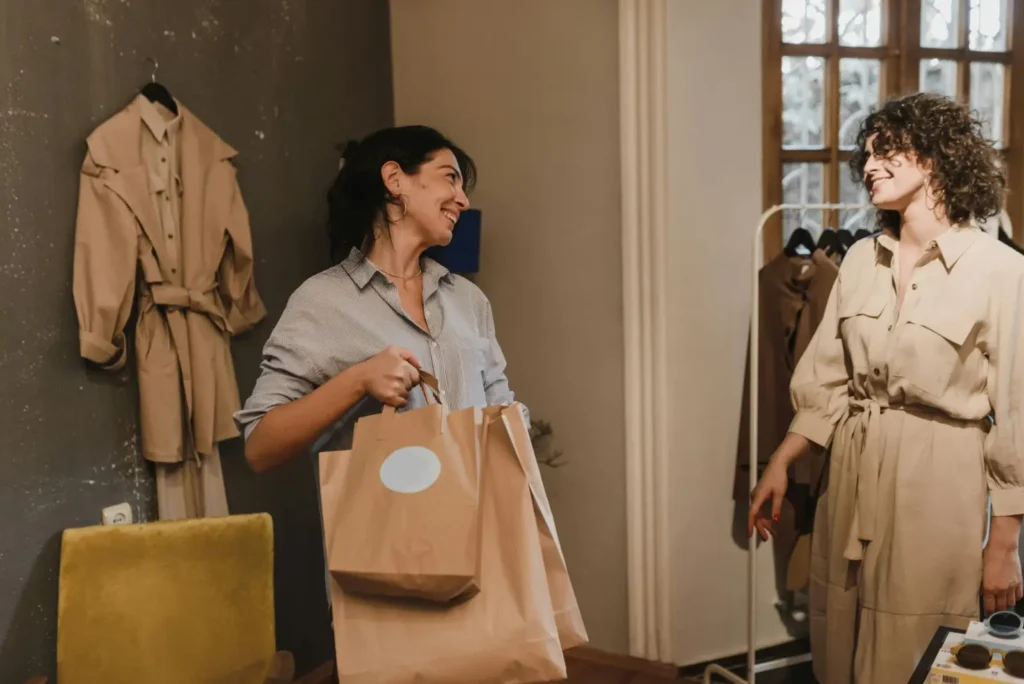
Influencer marketing can happen in many ways—online or in person. The examples below show how retailers work with creators to get real results.
Social shopping integrations
Apps like Instagram and TikTok let influencers tag products in their posts. This makes it easy for shoppers to buy what they see with just a few taps. It also helps retailers track how well influencer campaigns are working.
In-store experiences
Some stores invite influencers to host events or styling sessions in person. This brings online trust into real life and encourages followers to visit the store. It often leads to repeat customers and bigger purchases during the event.
Branded hashtag campaigns
Create a special hashtag for your brand. Ask influencers and shoppers to post content using it. This spreads your brand across social media, builds community, and helps you measure your online reach.
Collaborative product development
Work with influencers to design exclusive products or collections. This builds excitement and shows shoppers a more personal side of your brand. Influencers promote what they helped create, which drives sales and increases trust.
Build an effective influencer marketing strategy
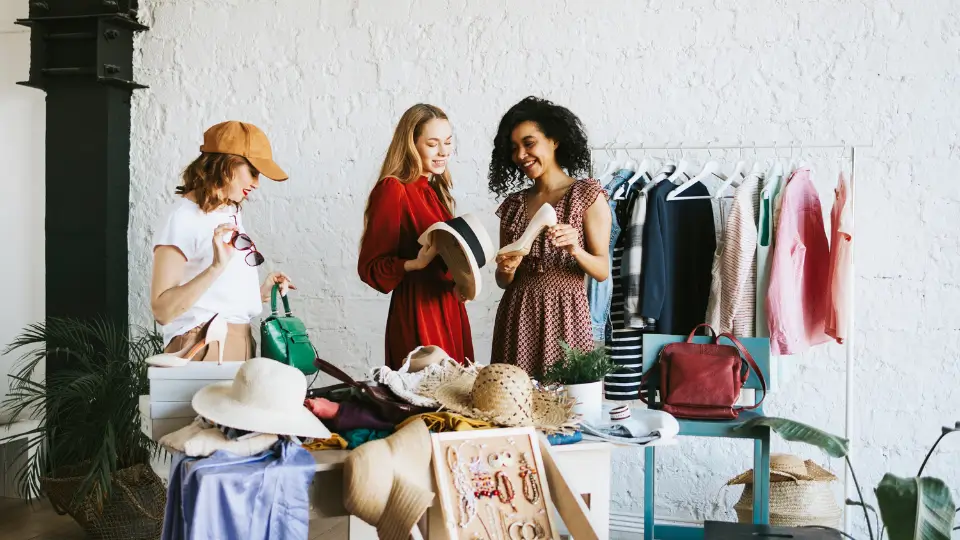
Building an effective influencer marketing strategy starts with clear goals. Know what you want to achieve, who your audience is, and which creators best match your brand.
Define goals and budget
Decide what success looks like. Do you want to increase sales, boost awareness, or bring more shoppers into your store?
Set a realistic budget that covers both product costs and influencer payments. Pay fairly for the value creators bring—it builds long-term trust and better results.
Identify your target audience
Knowing your ideal customer helps you find the right influencers. Ask yourself:
- Who already buys from you?
- Who do you want to reach next?
- Where do they spend time online?
- Which creators do they follow and trust?
Find the right influencers
Choose creators whose content and audience match your brand’s look and values. Engagement often matters more than follower count.
When reaching out, make it personal. Show that you know their work and offer real value—fair pay, creative freedom, or exclusive opportunities.
Fast fact: 45% of European Gen Z shoppers want fashion brands they’ve seen an influencer wear, per the 2023 NERDS Collective survey.
Develop content guidelines
Share clear talking points and visual directions to keep your brand message consistent. At the same time, let influencers stay creative.
The best influencer content feels real and fits their personal style. Followers can tell when something sounds forced—and that can hurt trust.
Track and measurement metrics
Set your tracking plan before launching any campaign. To measure success, use:
- Unique discount codes for each influencer
- Custom tracking links
- UTM parameters
- Platform analytics
Check these numbers often to see which partnerships perform best. Once you know what works, focus your efforts there.
Reach customers through trusted recommendations
Ready to boost sales and awareness through influencer marketing? Connect with stylists through Topomer.
Common challenges and how to overcome them
Finding the right influencers for your retail brand can feel overwhelming. Here’s how to handle some common challenges:
Challenge: Picking the right influencer
Solutions:
- Look for creators who share your brand values, not just big follower counts.
- Choose influencers with strong engagement and an active, real audience.
- Focus on building long-term partnerships instead of one-time posts.
Challenge: Proving ROI
Solutions:
- Use tracking links and discount codes to connect influencer activity to sales.
- Try a branded hashtag campaign to measure reach across platforms.
- Review your metrics often and adjust your strategy as you go.
Emerging trends shaping retail influencer marketing
Influencer marketing is changing fast. New trends are shaping how brands and creators work together.
- Short videos: TikTok and Instagram Reels show products in quick, fun clips.
- Social shopping: People can buy products right from influencer posts.
- Creator shops: Influencers can sell their favorite items in one place.
- Authenticity: Real, honest partnerships build trust. Fake ones hurt brands.
- Personal shopping: Apps like Topomer connect brands, stylists, and shoppers for real style advice.
Grow your brand with Topomer
The power of influencer marketing comes from recommendations that feel:
- Personal
- Trustworthy
- Right for the audience
That’s exactly what Topomer does for retail brands.
Connect your products with real stylists and personal shoppers who help customers find clothes they love. Your items become part of outfit ideas made for each shopper’s lifestyle, making fashion feel easy and exciting.
This creates stronger relationships and helps shoppers trust your brand. The result is more attention, higher sales, and loyal customers who keep coming back.
With Topomer, your products are shared by trusted stylists who inspire confidence. Boost your store’s visibility, reach new shoppers, and grow your business with authentic style advice. Start with Topomer today and see your brand thrive.